In the world of finance and banking in India, where people dream about buying a new home, starting a business, or to pursue any higher education often on loans, then understanding the importance of a CIBIL score becomes crucial for every borrower. TransUnion CIBIL Limited is a credit information company operating in India. It maintains credit files of 600 million individuals and 32 million businesses.
A Credit Information Bureau (India) Limited (CIBIL) score is like a financial report card that reflects an individual’s creditworthiness.
In this blog post, let us explore the importance of CIBIL scores with respect to loan approval in India and why maintaining a healthy score is essential.
What is a CIBIL Score?
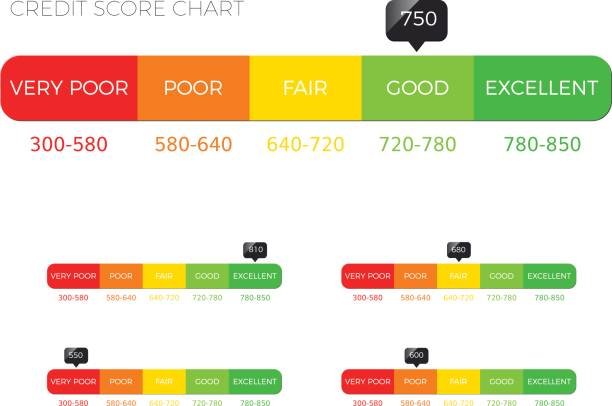
A CIBIL score is a numerical representation of an individual’s credit history. It normally ranges from 300 to 900 points. The higher the score, the better the creditworthiness. Lenders, such as banks and financial institutions, use this score to assess the risk in lending money to an individual. A high CIBIL score denotes responsible financial behaviour, making lenders more confident in approving loan applications.
Why is CIBIL score important?
Loan approval and rates of Interest: When you apply for a loan, whether it’s a personal loan, home loan, or car loan, the first thing lenders check is your CIBIL score. A higher score increases the likelihood of loan approval. Moreover, it can also affect the interest rate you are offered. Individuals with excellent scores often qualify for lower interest rates, resulting into more affordable loan deals.
Assessment of Creditworthiness: Lenders usually use the CIBIL scores to evaluate your creditworthiness. They try to ensure that you have a history of responsible borrowing and timely repayments. A good CIBIL score indicates that you are a reliable borrower, making it easier for lenders to trust you with their funds.
Quick loan processing: Having a good CIBIL score can expedite the loan approval process. Lenders are more likely to streamline the application process for individuals with high scores, recognizing them as low-risk borrowers. This means quicker approvals, which can be crucial, especially in situations where time is of the essence.
Factors influencing CIBIL score
Understanding what contributes to your CIBIL score is key to maintaining and improving it. The following factors play a significant role:
Timely repayments: Paying your credit card bills, loan EMIs, and other dues on time positively impacts your CIBIL score. Late payments can have an adverse effect, so it’s important to make timely repayments.
Credit utilization ratio: This ratio denotes the proportion of your available credit that you are using. Maintaining a low credit utilization ratio shows prudent financial behaviour and positively affects your CIBIL score.
Credit/Loan Mix: If you are having a mix of different types of credit, such as credit cards, personal loans, and mortgages, it can positively impact your score. It indicates that you can manage various financial responsibilities without any default.
Length of credit history: A longer credit history can positively impact to your CIBIL score. It reflects a more extended period of responsible financial behaviour.
How to check your CIBIL Score?
Checking your CIBIL score regularly is a good financial practice. You can obtain your credit report online from the official CIBIL website(www.cibil.com) or from any other authorized platforms. It’s essential to review your credit report for any discrepancies and address them promptly.
Tips for improving the CIBIL score
Timely Payments: Ensure that you pay your bills and EMIs on time. Set up reminders or automatic payments to avoid missing deadlines.
Monitoring of Credit Utilization: Keep a check on your credit card balances and try to maintain a low credit utilization ratio.
Avoid multiple loan Inquiries: Multiple loan or credit card applications within a short period can negatively impact your CIBIL score. Apply for credit only when it’s absolutely necessary.
Regular checking of Credit Report: You have to review your credit report at least once a year to identify and rectify any errors.
To conclude, in the world of loans in India, your CIBIL score is your financial passport. It opens doors to various opportunities and determines the terms on which you can avail credit. Whether you’re planning to buy a home, start a business, or pursue higher education, maintaining a healthy CIBIL score is not just a good financial habit but a key to realizing your dreams.
SHREYASS FINANCE, assists eligible borrowers in improving their CIBIL score, resolution of disputes and advise on settlement of outstanding dues through negotiation.